

History is rhyming again. The United States (and the EU) have capped the rate that financial institutions can pay on deposits even as inflation remains stubbornly elevated.
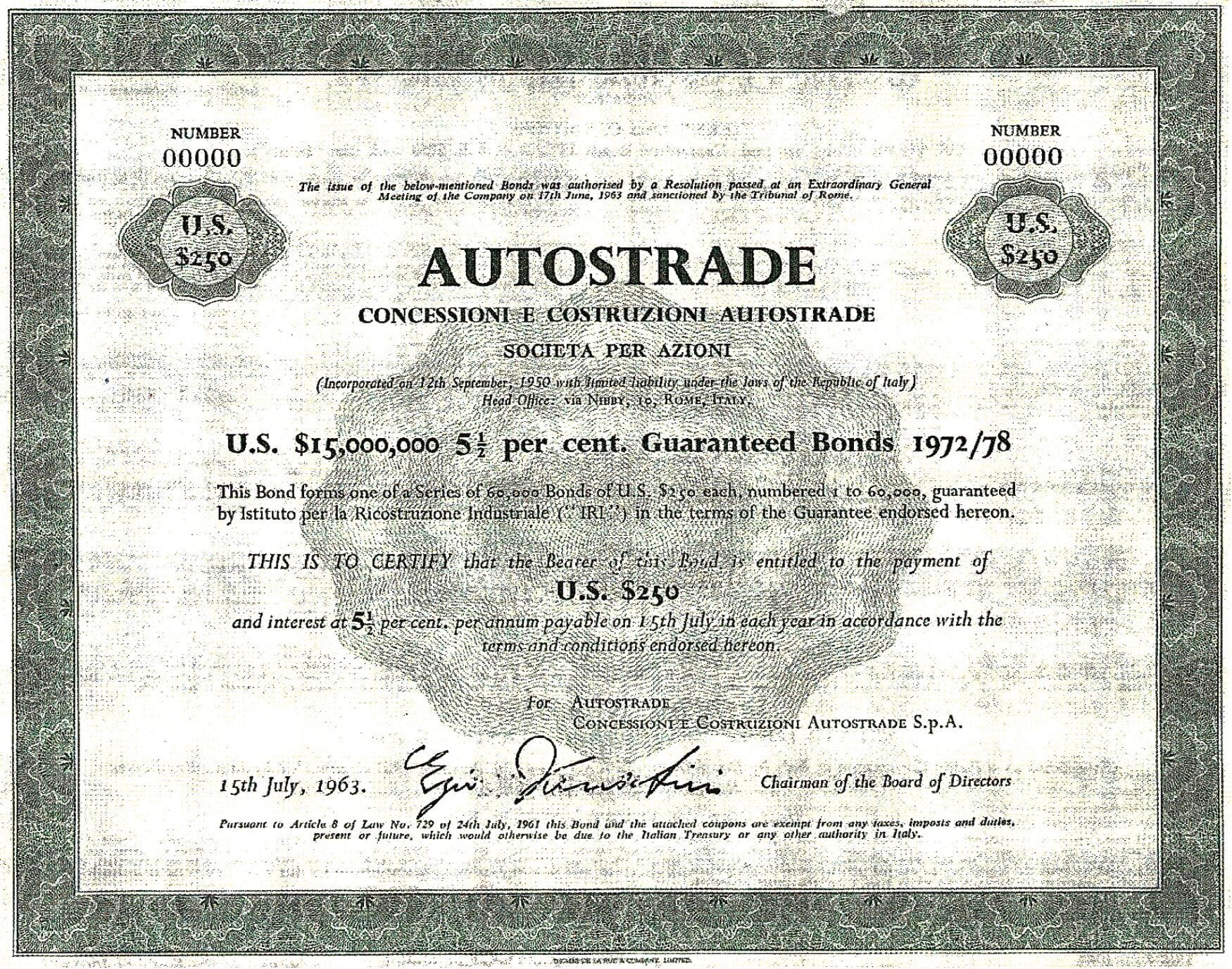
In the 1960s, a similar ceiling — Regulation Q — and rising inflation pushed dollar balances out of New York to places where banks were free to offer market rates. The result was the birth of the Eurodollar market: a vast offshore pool of dollar liquidity that reshaped global finance, not by design but by accident.
Eurodollars were simply dollar deposits held outside the U.S., most famously in London, and by the late 1960s they had become the primary source of global dollar funding as firms, governments, and individuals sought to escape the strictures of Regulation Q.
Today, something similar may be happening in digital form. Stablecoins — tokenized dollars circulating across crypto exchanges, wallets, and payment apps — are proliferating. But just as the U.S. once capped deposit rates, regulators in Washington and Brussels have converged on a rule that forbids issuers from paying interest. The GENIUS Act in the U.S. and MiCA in the EU ban so-called “yield farming,” keeping stablecoins sterile.
There are good reasons for drawing that line. Interest-bearing stablecoins would compete directly with banks for deposits, risking a flight of funding out of the traditional system.
Banks do more than warehouse cash: they have the institutional capacity to transform deposits into credit for households and businesses, a process that underpins economic growth. Crypto firms do not. Nor do supervisors yet have the institutional capacity to vet dozens of new issuers if they began reaching for yield. To let stablecoins compete on interest would force regulators to scale overnight into a role they are neither prepared nor funded to play.
While understandable, the regulatory attempt to limit stablecoins to the role of pipes through which payments can flow is unlikely to hold. Stablecoins are money — private money — and since the Sumerians, money has always had two interrelated functions: a means of payment and a store of value. Traditionally, banks have offered both under one roof, because it is convenient for households and firms to use the same institution for both. No prior effort to cleave these two roles into separate institutions has succeeded. There is little reason to think this latest attempt to narrow the scope of crypto firms will fare any better.
Given these incentives, firms will again find ways to offer both services to their customers. Some will shop for friendlier jurisdictions that allow yield-bearing stablecoins. Technology and regulation today make moving money across borders trivial.
Others will do what people in finance have long done in the face of prohibitions: innovate around them. That could mean dressing up yield as “rewards,” burying risk in affiliated vehicles, or engineering synthetic structures that mimic deposits without being called deposits. This is the bad sort of financial innovation — opacity born of constraint — the same alchemy that produced Eurodollars in the 1960s and shadow banking in later decades.
Necessity as the mother of invention
The Eurodollar market was created in a fit of absentmindedness. Stablecoins risk repeating that history: not because they are inherently unstable, but because of current regulation. Suppressing yield does not make their threat disappear. It only guarantees that it will surface elsewhere, beyond the line of sight of regulators. None of this is desirable. The sources of funding in the crypto universe are already shrouded in mystery without the added veil of distant jurisdictions or maze-like ownership structures.
What should be done? Regulators should accept that yield, in due course, is inevitable — and bring it into the open. Stablecoin issuers already earn returns on reserves; those returns should be allowed to flow to holders under strict conditions. That ultimately means money-market–style rules: tight liquidity requirements, independent audits, capital buffers, and stress testing. The logic is simple: regulate the risk, don’t pretend it can be banned.
Stablecoins also open the door to something new: programmable regulation. Technology that can be used to augment regulatory capacity. The same technology that can program smart contracts that automate payments can also enforce compliance.
Instead of regulators chasing after opaque workarounds, they can monitor risk continuously through transparent, code-driven systems. Unlike traditional oversight that relies on periodic reports and post-hoc examinations, programmable regulation enables real-time compliance monitoring and automatic enforcement.
The choice is not between stablecoins that pay interest and those that don’t. It is between interest earned in the light, under programmable rules, and interest hidden in the shadows.
Also by the same author:
Reforming the eSLR capital rule is good policy that’s urgently needed — American Banker